
Cooling-off periods, state by state
How long you have to change your mind after signing a contract in NSW, Victoria, Queensland and WA, and what it costs if you do.
Buying
The deposit is only part of the cash you need. A simple way to add up transfer duty, fees, insurance and moving costs before you start looking.

By Claire Donovan
· 3 min read

Most buyers know roughly what deposit they have. Fewer know how much cash they actually need on settlement day, and the gap between the two numbers surprises people every week. Working it out before you start inspecting saves a lot of disappointment.
Lenders generally like to see a deposit of 20% of the purchase price. With 20% or more, most will lend without charging lenders mortgage insurance. With less, the loan is still possible, but the lender will usually add LMI to protect itself in case you cannot repay.
On a $900,000 home, a 20% deposit is $180,000. A 10% deposit is $90,000, and the LMI on the larger loan can run to tens of thousands of dollars. Many lenders let you add the premium to the loan, which helps with cash flow but means you pay interest on it for years.
The federal Home Guarantee Scheme lets eligible buyers purchase with a smaller deposit without paying LMI, because the government guarantees part of the loan. Each state also offers its own first home buyer support, usually through reduced transfer duty. Eligibility rules, price caps and the number of places change, so check the current details with Housing Australia and your state revenue office rather than relying on an article, including this one.
Transfer duty, still widely called stamp duty, is the largest upfront cost after the deposit for most buyers. It is charged by the state, it rises steeply with the price, and the rules differ between NSW, Victoria, Queensland and WA. First home buyers often pay less or nothing below certain thresholds; investors and foreign buyers often pay more.
Every state revenue office has an online calculator. Use it with the actual price you expect to pay, not the bottom of the advertised range.
As a rough starting point, many buyers budget their deposit plus transfer duty plus around $5,000 to $10,000 for everything else. It is not precise, but it stops you looking at homes you cannot settle on. Once you have a specific property, replace the estimate with real quotes.
The first months in a new home always cost more than expected. A broken hot water system, a fence that needs replacing or simply a few pieces of furniture can eat into savings quickly. Aim to keep some cash aside after settlement, rather than putting every dollar into the deposit.
Pre-approval gives you a realistic borrowing figure and shows sellers you are serious. A good broker will also explain LMI, offset accounts and repayment options in terms that fit your situation. We are happy to recommend local brokers, but we do not receive commissions for referrals.
This article is general information, not financial advice. Speak to a licensed adviser about your own circumstances.
How long you have to change your mind after signing a contract in NSW, Victoria, Queensland and WA, and what it costs if you do.
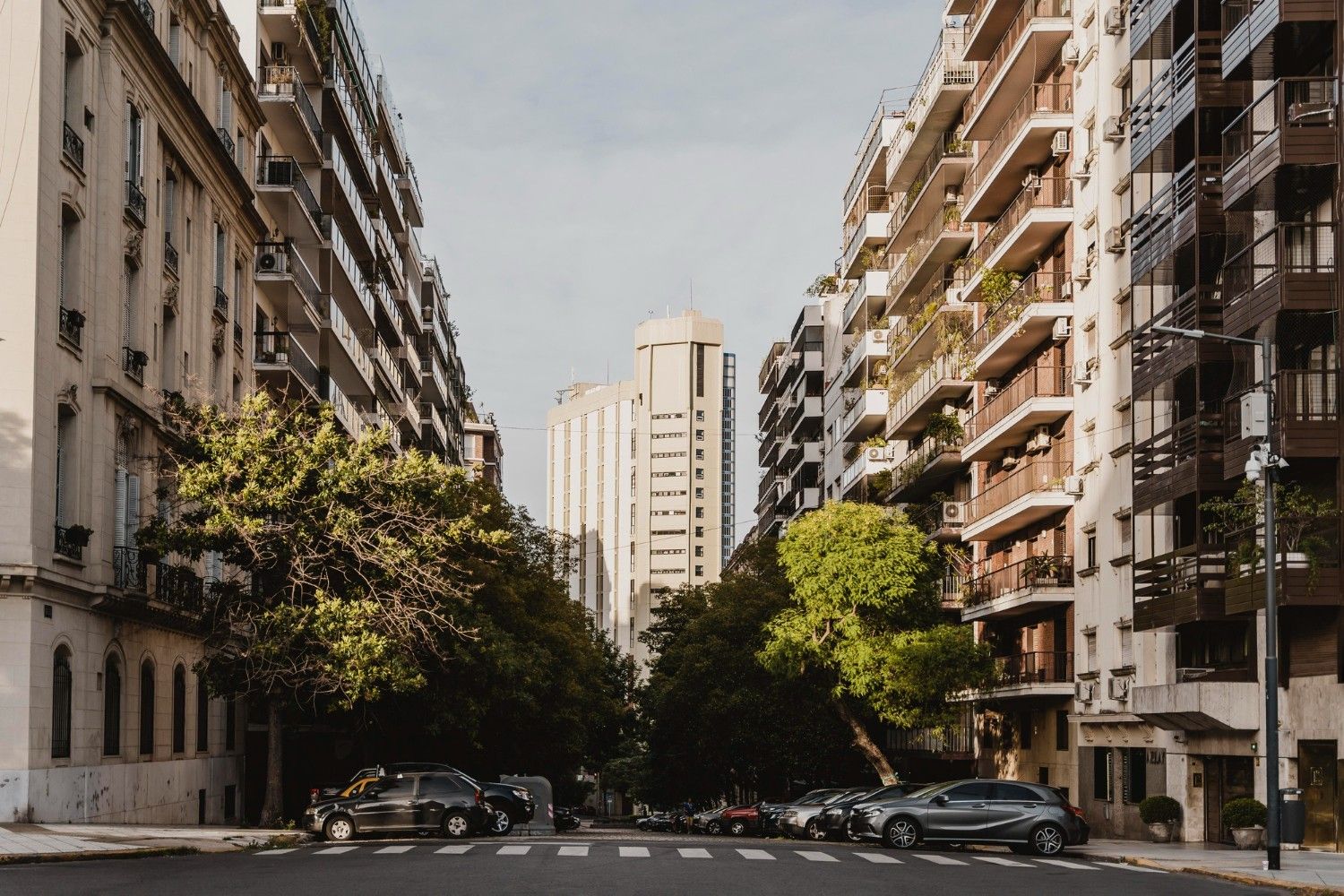
Levies, sinking funds, defects and by-laws. What to look for in the building's records, and the questions to ask before you commit.

Both methods can get a great result. The right one depends on your home, your suburb and how much certainty you need on timing.
Free consultation
Tell us what you are looking for, or what you would like to sell. A local agent will reply within one working day, with no obligation.