
Cooling-off periods, state by state
How long you have to change your mind after signing a contract in NSW, Victoria, Queensland and WA, and what it costs if you do.
Buying
Levies, sinking funds, defects and by-laws. What to look for in the building's records, and the questions to ask before you commit.

By Mia Callahan
· 2 min read
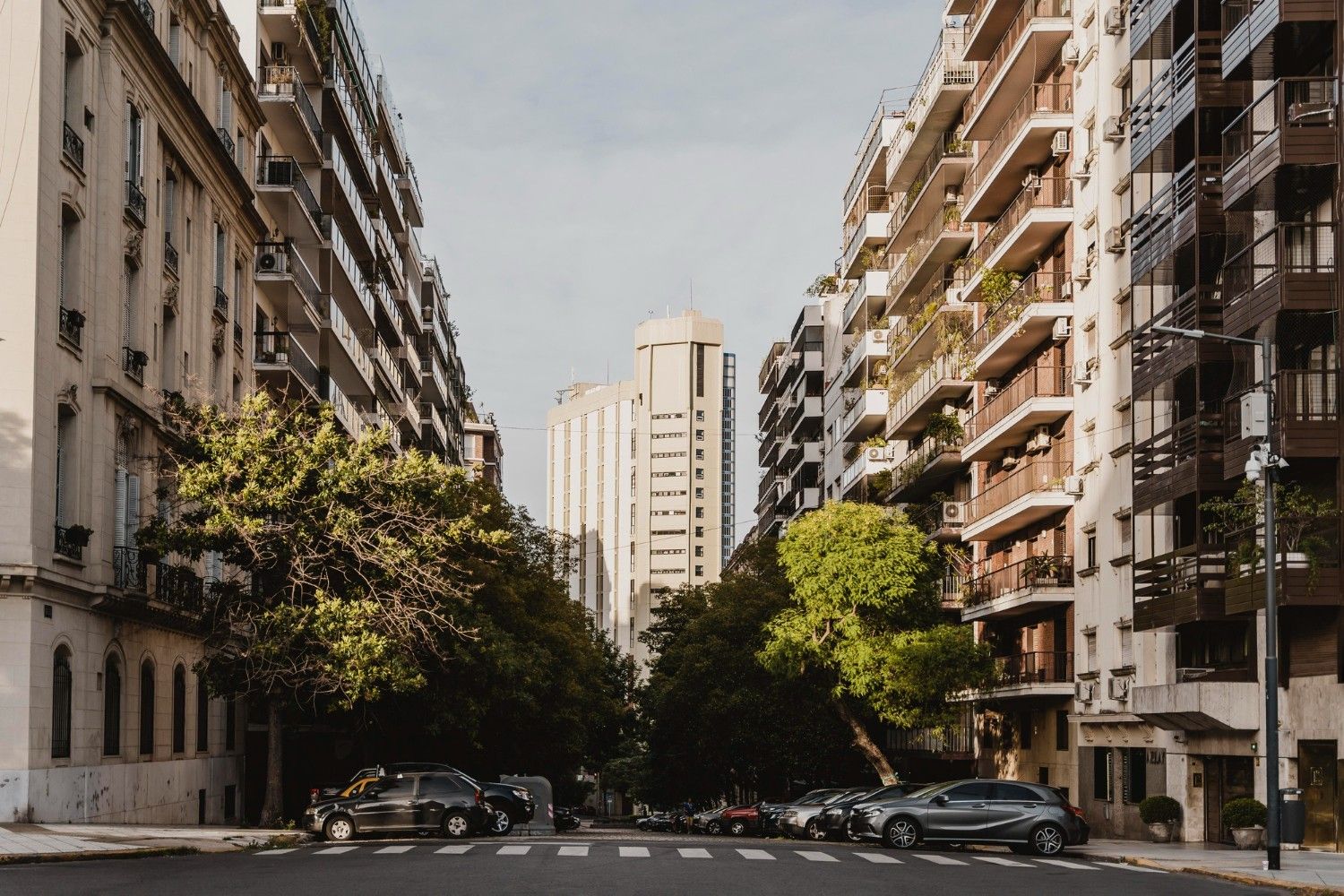
When you buy an apartment or a townhouse in a strata scheme, you are buying a share in the whole building as well as your own lot. The building's records tell you how well it has been run and what it might cost you in future. A strata report summarises those records, and it is one of the most useful documents you can read before you buy.
The names change between states. In NSW and WA it is called strata, in Victoria an owners corporation, and in Queensland a body corporate. The questions are the same everywhere.
Every owner pays regular levies, usually quarterly, into two funds. The administrative fund covers day-to-day costs such as cleaning, insurance and electricity for common areas. The capital works or sinking fund pays for larger, longer-term items such as roofs, lifts and repainting.
Check what the current levies are for the lot you are buying and whether they have risen sharply in recent years. A big jump is not always bad news, but you want to know why it happened.
A healthy fund has enough money to cover the work planned in the building's ten-year plan. A thin fund, combined with an ageing building, often means a special levy is coming. Special levies can run to thousands or tens of thousands of dollars per lot, and they are usually due within months.
The minutes of the last few annual and committee meetings are where the real story lives. Read them for:
Buildings less than ten years old can still have serious defects, and some of the most expensive problems appear in the first few years. Ask whether a defect report has been commissioned, whether any claims have been made against the builder, and whether a building bond or warranty is still in place.
By-laws are the rules of the building. They cover pets, renovations, short-term letting, parking, smoking on balconies and what you can install on your lot. If you have a dog, plan to work from home with deliveries arriving all day, or want to rent the apartment out on a short-stay platform, read the by-laws closely.
The owners insure the building as a whole. Check that the policy is current, that the sum insured looks reasonable for the size of the building, and whether there have been large claims recently. Your own policy then only needs to cover contents and any improvements inside your lot.
You can order a strata report from a specialist inspector, and your conveyancer will also review the disclosure documents the seller provides. Read the summary yourself as well. You know how you plan to live in the apartment better than anyone else, and a line in the minutes that seems minor to a lawyer can matter a great deal to you.
How long you have to change your mind after signing a contract in NSW, Victoria, Queensland and WA, and what it costs if you do.

The deposit is only part of the cash you need. A simple way to add up transfer duty, fees, insurance and moving costs before you start looking.

Both methods can get a great result. The right one depends on your home, your suburb and how much certainty you need on timing.
Free consultation
Tell us what you are looking for, or what you would like to sell. A local agent will reply within one working day, with no obligation.